FOX Bet, SI Sportsbook, Barstool Sportsbook, and others all ran into the same problem: brand awareness can generate attention, but it cannot replace product-market fit.
Last week at NEXT.io NYC, Third Planet co-founder Adam Small moderated a panel featuring Matthew Berry, NBC Sports fantasy football analyst and host, and Amie Biros, VP of Strategic Initiatives at Rush Street Interactive.
Small opened with a timely question: is there still a winning model for the media-branded sportsbook?
It is a fair question. The list of failed or reworked examples is already long. PENN completed its full acquisition of Barstool Sports in February 2023, then famously sold it back to Dave Portnoy for $1 that August before pivoting to ESPN BET. FOX Bet shut down in 2023 after Flutter and Fox announced a phased closure of the platform. MaximBet exited the U.S. market as rising costs squeezed smaller operators. SI Sportsbook was unwound less than 30 months after launch when 888 moved to end the business.
On paper, they all offered some version of the same pitch: a major brand, a built-in audience, and a chance to compete with DraftKings and FanDuel. In practice, most proved the same thing: awareness alone is not enough.
Why did they fail?
Biros said everyone wanted to build “the next Sky Bet,” but most of these partnerships were built for top-of-funnel awareness rather than long-term retention. In the U.S., sports media is too fragmented for the model to work that simply. Rights move constantly, audiences are spread across platforms, and there is rarely one channel strong enough to do what Sky Bet did in the U.K.
Berry made the bettor’s side of the case. If you want users to leave DraftKings or FanDuel, there has to be a real reason. A sign-up bonus is not enough. If the product is not better, or at least meaningfully different, there is no reason to switch. These sportsbooks entered late, offered little differentiation, and tried to take on incumbents with stronger products and more established user habits.
The Sky Bet comparison is useful because it highlights what so many operators misunderstood. Sky Bet was not just a media logo attached to a sportsbook. It had the timing, alignment, and incentives to make the model work. Too many U.S. companies copied the branding without recreating the conditions behind its success.
Berry did note one modern example of the old formula working, pointing to Druski’s collaboration with PrizePicks and calling it “through the roof.”
He also offered a more nuanced view of Barstool Sportsbook, arguing it was not a total failure because it helped establish PENN as a digital betting player. That is fair. A relatively unknown land-based casino operator did manage to make an imprint online. But if Barstool Sportsbook had truly worked, PENN would not have pivoted so quickly.
And that matters because Barstool was not just another media brand. If there was ever a brand that should have converted audience loyalty into betting behavior, it was Barstool. Berry put it plainly: “Portnoy has a massive following because he’s controversial. If you’re going to do business with him, you need to embrace that, and PENN didn’t. If they supported Barstool in a more robust way, it would’ve done better.”
That point feels right. Maybe PENN should have leaned further into Barstool’s identity instead of trying to soften it. But once again, that only reinforces the larger lesson: a recognizable brand is not enough on its own.
The old formula was simple: take a media brand, bolt it onto a sportsbook, buy attention, and hope users convert. But attention is not differentiation, and without a better product, the audience has little reason to move.
From there, the conversation shifted to expectations around how brands promote gambling operators and how that affects the success of these partnerships.
Are gambling personalities expected to compromise their personal brand to promote operators?
Berry made it clear that he is selective about his relationships. “I’m a proud ambassador for DraftKings. I’m very open about it. As a talent, I try to win.”
That gets at something bigger. You cannot just pay people to push picks and expect that to build trust with your community. Betting audiences can tell when someone believes in what they are saying and when they are simply reading from a script. Authenticity is not just about personality. It is about alignment between the voice, the audience, and the product.
Biros added, “I don’t think all people publishing their bets are actually placing them.”
Berry responded by saying, “I think that transparency is what leads to success in these companies,” which really captured the larger point. These partnerships do not work just because two recognizable brands come together. They work when there is real credibility behind the promotion and actual alignment between the product, the talent, and the audience.
Small then asked an interesting question:
“After everything that has happened, would anyone even want to invest in another version of the media-sportsbook combo?”
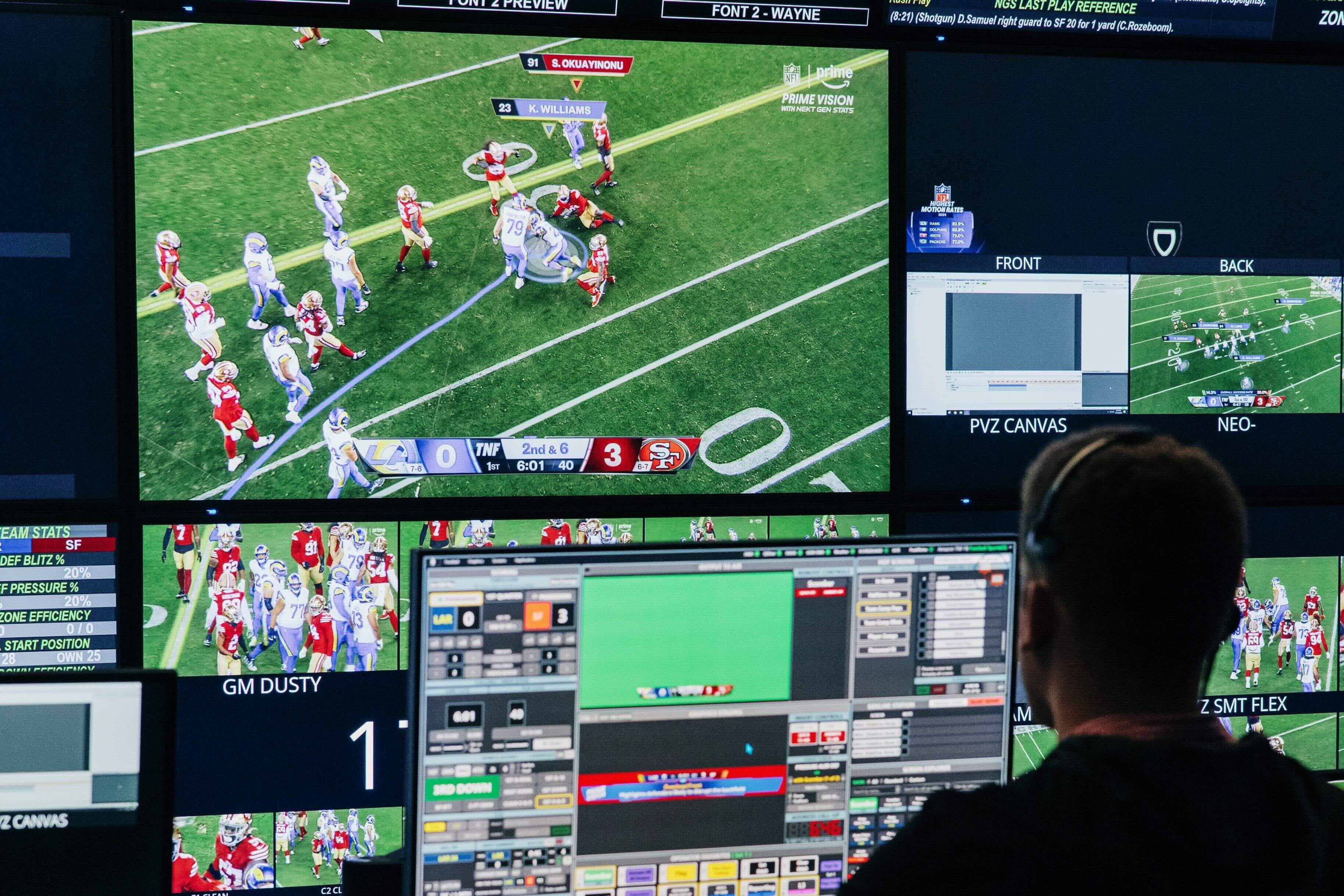
Berry called Amazon the obvious answer. “If they get into it. They are in live sports already. They already have the credit card. If they get into it, they will be a force.” Biros added that a company like Amazon “can be better than others.” They already stream sports, have introduced innovative tools like Prime Vision, and are essentially priming users if they decide to enter the space. It would be entering with actual ecosystem advantages, not just brand recognition.
In short, Amazon might succeed based on its distribution, product advantages, and a real reason for the user to engage.
That is also why WagerWire differs from FOX Bet, SI Sportsbook, Barstool Sportsbook, or ESPN BET.
Those companies were mostly trying to answer one question: how do we get users to place bets with our branded sportsbook instead of somebody else’s?
WagerWire is answering a different one: how do we create more value around the bets and entries users already have?
A traditional media-branded sportsbook asks the user to change habits. WagerWire works by plugging into habits that already exist. It works alongside the apps users already use. It is not trying to win by saying, “Place the same bet here instead.” It is creating value in a different lane, one that gives bettors more flexibility and more control over the action they already hold.
So yes, there is still a winning model for media and betting. But it is probably not the one the industry kept trying to force. The media-branded sportsbook did not fail because media and betting cannot mix. It failed because too many operators confused attention for edge.
